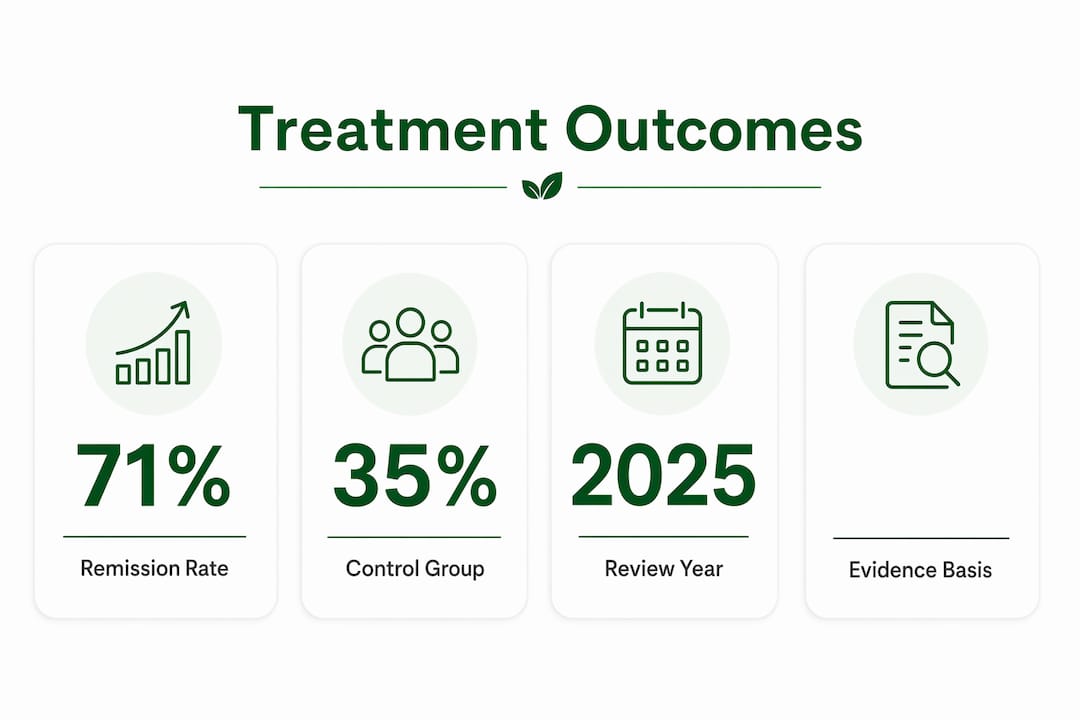
Yes, U.S. patients can get personalized, doctor-prescribed anxiety treatment through a digital platform right now. FDA-cleared prescription digital therapeutics (DTx) like DaylightRx deliver clinician-ordered cognitive behavioral therapy (CBT) via mobile app, and clinician-backed platforms like FitRx combine licensed provider consultations with structured programs. The evidence is real: in randomized controlled trials, 71% of DaylightRx participants achieved GAD remission versus 35% in the control group, with benefits maintained at six months. Your next step is straightforward: prepare a brief symptom summary and book a telehealth consult with a licensed prescriber.
Not all anxiety apps are the same category of product. The American Psychological Association draws a clear line between three types:
DaylightRx is the clearest U.S. example of a prescription DTx: FDA-cleared, indicated for adults 22 and older with GAD, and available only on the order of a licensed healthcare provider. A wellness app you download tonight without talking to anyone is a fundamentally different product, regardless of how it markets itself.
The one-line distinction: “Prescription required” means a licensed clinician has assessed you and authorized the treatment. “Direct-to-consumer” means you self-select it, with no clinical gatekeeping.
The evidence base has matured enough to guide real clinical decisions. A 2025 Lancet review of meta-analyses found moderate-certainty evidence that digital CBT interventions for GAD are often comparable to face-to-face CBT for mild-to-moderate cases. That “moderate certainty” rating is notable: GAD was one of the few conditions in the review to reach that threshold.
| Metric | DaylightRx RCT Result |
|---|---|
| Remission rate (DTx group) | 71% |
| Remission rate (control group) | 35% |
| Benefit maintenance | At least 6 months |
| Program format | CBT via video/audio lessons, mobile app |
One important nuance: active digital CBT programs that require you to practice cognitive restructuring and exposure exercises consistently outperform passive content. Watching an explainer video about anxiety is not the same as completing a behavioral experiment. When you evaluate any platform, look for programs that assign real skill practice, not just educational content.
For a patient with mild-to-moderate GAD, these numbers translate to a meaningful probability of clinically significant symptom reduction. They do not guarantee remission, and individual results vary, but the effect sizes are not trivial.
Digital prescription treatment works well for a specific profile. You are likely a good candidate if you have mild-to-moderate GAD, are 22 or older (for DTx like DaylightRx), have no active safety concerns, and are able to engage with a structured app program for 8–12 weeks.
Red flags that point toward in-person or higher-intensity care:
DTx are also designed to work as adjuncts alongside medication or in-person therapy, not necessarily as replacements. If you are already working with a psychiatrist or therapist, a prescribed digital program can complement that care rather than compete with it.
Pro Tip: Before your consult, write two sentences: one describing your three most disruptive symptoms and one stating how long they have been present. Prescribers can assess eligibility far faster when you lead with that framing instead of a general “I’ve been anxious.”
Most structured digital anxiety programs run 8–12 weeks. Meru Health’s 12-week program, for example, combines 5–15 minutes of daily app-based activities with unlimited therapist contact via text and video. DaylightRx follows a similar cadence through CBT lessons, exposure exercises, and thought records.

| Phase | Typical Timing | What Happens |
|---|---|---|
| Screening and consult | — | Clinician assesses eligibility, issues prescription or order |
| Program start | Week 1 | Onboarding, baseline symptom measurement |
| Active treatment | Weeks 1–8 | Daily CBT activities, clinician check-ins |
| Mid-program review | Week 4–6 | Clinician reviews progress, adjusts plan if needed |
| Program completion | Week 8–12 | Final symptom assessment, transition planning |
| Follow-up | 6 months post | Maintenance check, relapse prevention |
One practical reality: roughly 60–65% of interactions on clinician-supported digital platforms happen outside normal business hours. If you work a standard schedule, you will likely complete most of your daily activities in the evening. Check whether the platform you choose offers true on-demand clinician messaging rather than scheduled-only appointments.
Programs are also deliberately designed to resist reassurance-seeking. A well-built digital CBT program will prompt you to sit with uncertainty rather than offering blanket comfort, which is exactly what effective intervention design requires for lasting anxiety reduction.
Use this checklist before accepting any prescription or signing up for any program:
Questions to ask your prescriber:
Red flags: Vague efficacy claims with no trial citations, no licensed clinician oversight during the program, unclear data privacy policies, or an inability to coordinate with your existing providers.
To confirm coverage, call your insurer and ask specifically about CPT or HCPCS codes for prescription digital therapeutics. Request a written cost estimate from the platform before you commit.
Arriving prepared cuts the consult time and improves the accuracy of the prescriber’s assessment. Bring the following:
Logistics to know in advance:
Privacy matters here. Telehealth sessions are covered under HIPAA, but platform-specific data policies vary. Read the privacy notice before you share anything sensitive.
Doctor-prescribed digital therapeutics and clinician-backed platforms offer a legitimate, evidence-backed path to anxiety treatment for U.S. patients with mild-to-moderate GAD, provided you choose a platform with real clinical oversight, verified evidence, and transparent costs.
| Point | Details |
|---|---|
| Prescription DTx is evidence-backed | DaylightRx RCTs show a significant difference in GAD remission compared to control, with benefits maintained over several months. |
| Not all apps are equal | Only FDA-cleared DTx or clinician-backed platforms with RCT data meet the bar for prescribed care. |
| Good candidates | Adults with mild-to-moderate GAD; red flags like suicidal ideation require in-person care. |
| Program commitment | Expect 8–12 weeks of daily 5–15 minute activities plus clinician check-ins via text or video. |
| FitRx as your starting point | FitRx connects you with licensed providers for personalized, clinician-prescribed anxiety care via telehealth. |
The biggest mistake is treating “digital” as a proxy for “less serious.” A prescription DTx that delivers structured CBT with clinician oversight is not a step down from care. For mild-to-moderate GAD, the Lancet evidence puts it on par with face-to-face CBT. The patients who struggle are the ones who expect a passive experience and get frustrated when the program asks them to do uncomfortable things, like sitting with anxious thoughts instead of seeking reassurance. That discomfort is the mechanism. It is not a design flaw.
The second mistake is skipping the prescriber conversation because it feels like a hurdle. That conversation is the quality filter. It is what separates a program calibrated to your diagnosis from an app you found in the App Store. If a platform lets you bypass clinical assessment entirely, that is a reason to look elsewhere, not a convenience feature.
Patients who want a doctor-prescribed path to anxiety relief, without the waitlists of traditional outpatient care, have a concrete option in FitRx. FitRx connects you with licensed providers who conduct a full telehealth assessment, determine whether a structured anxiety program or medication is appropriate for your situation, and oversee your care throughout. The workflow is direct: complete a brief screening, meet with a licensed clinician via video, and receive a personalized treatment plan, with medications shipped to your home when prescribed.

FitRx’s approach reflects the same clinical principles the evidence supports: licensed oversight, personalized plans, and ongoing monitoring rather than a one-size program you activate alone. Privacy and HIPAA compliance are built into the platform, and the care team is accessible between visits.
Ready to find out if clinician-prescribed digital anxiety care fits your situation? Start with FitRx and schedule your telehealth consult today.
This article is general health information, not medical or professional advice. Confirm current treatment options and coverage with your insurer and a qualified clinician before starting any program.
Bring the Lancet review and the DaylightRx trial citation to your prescriber if you want to discuss the evidence directly. Call your insurer before your first visit and ask specifically about coverage for prescription digital therapeutics.

.svg)